Buyer Guides and Inspection Tips
Short, plain-English guides to help you protect your money, your safety, and your future home.
The Benefits of a High-Quality, Non-Rushed Inspection
Buying a home is expensive. Rushing the inspection is how buyers end up paying twice.
A non-rushed inspection takes the time to check the big systems - roof, structure, foundation performance, electrical, plumbing, and HVAC without cutting corners. That time matters because small misses turn into big repair bills after closing. Licensed and certified inspectors follow structured standards. They don’t guess. They document issues with photos and explain what matters in plain English. The real benefit isn’t just information. It’s leverage. A clear report gives you proof to negotiate repairs or price. That’s how buyers protect their money. If you’re buying in South Austin, San Antonio, New Braunfels, Alamo Ranch, Kyle, Buda, Schertz or the I-35 corridor choose an inspection that takes your decision seriously.
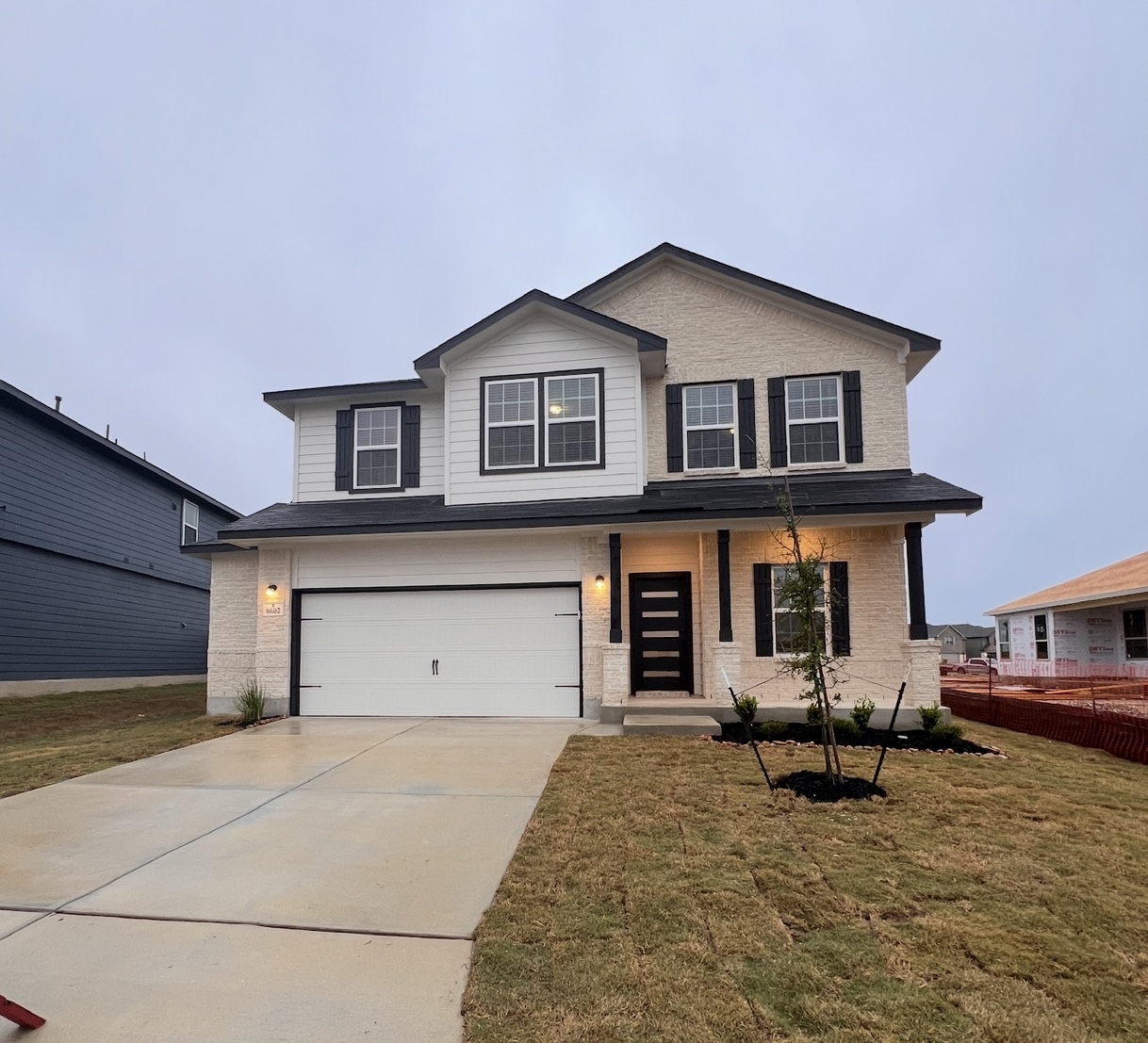
Why New Construction Homes Still Need Inspections
“New” doesn’t mean perfect. It just means unfinished mistakes are easier to hide.
New homes can have drainage problems, missing flashings, poor sealing, wiring issues, rough roof installation,and HVAC installation errors. City inspections are important, but they don’t inspect everything and they don’t work for the buyer.
A new construction inspection documents problems before drywall or before closing, when the builder can still fix them. This protects you from owning problems that were created during the build.
Pre-Owned Home Inspections: What Buyers Regret Skipping
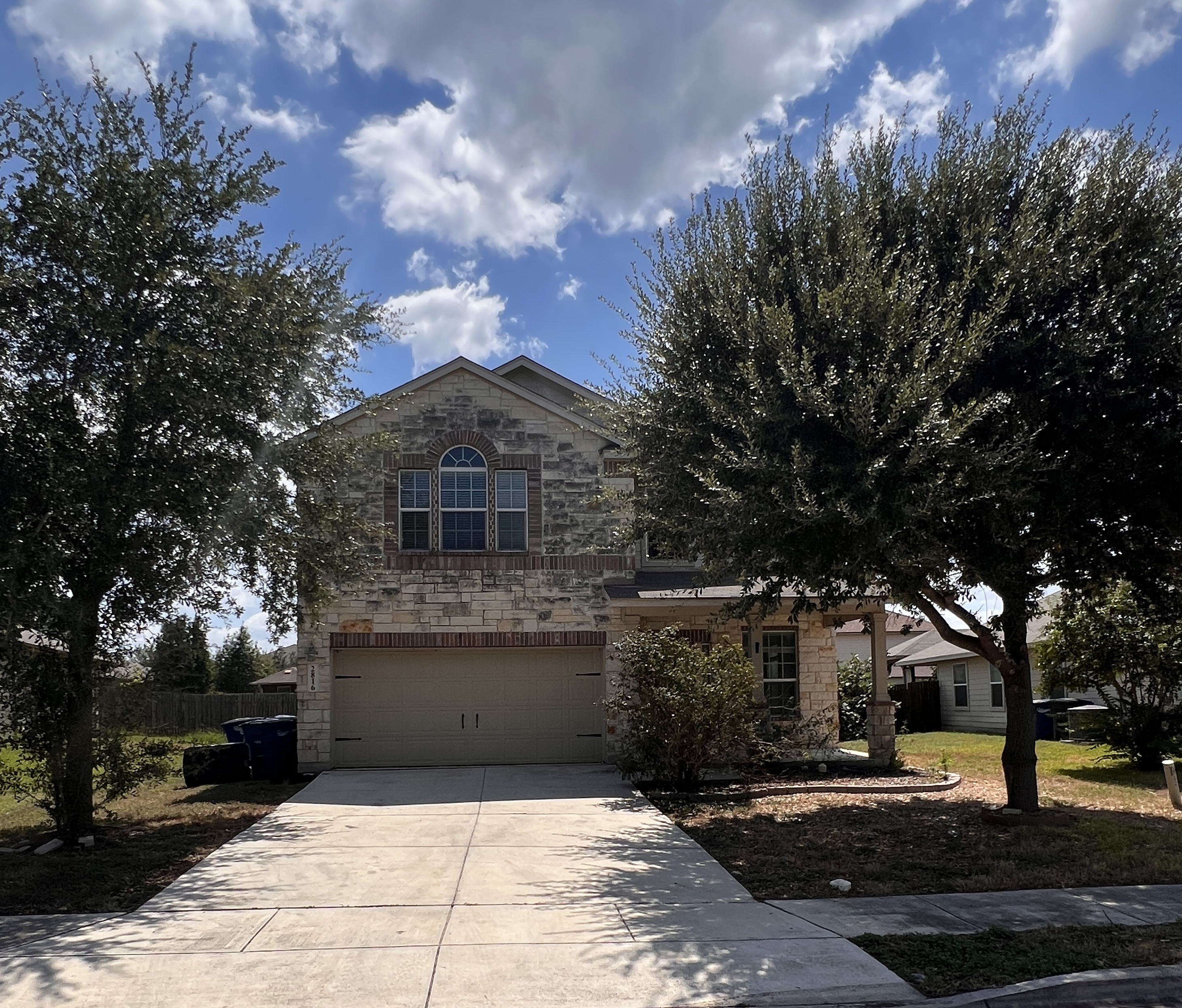
Used homes come with history - repairs, wear, and hidden problems. Common issues include roof leaks, old wiring, plumbing leaks, aging HVAC systems, foundation movement, and bad DIY repairs. An inspection helps you see past fresh paint and staging. It shows what really matters for safety and cost. Skipping this step doesn’t save money. It just delays the bill.
3) Pre-Owned Home Inspections: What Buyers Regret Skipping
Sewer Camera Inspections: Why They Matter
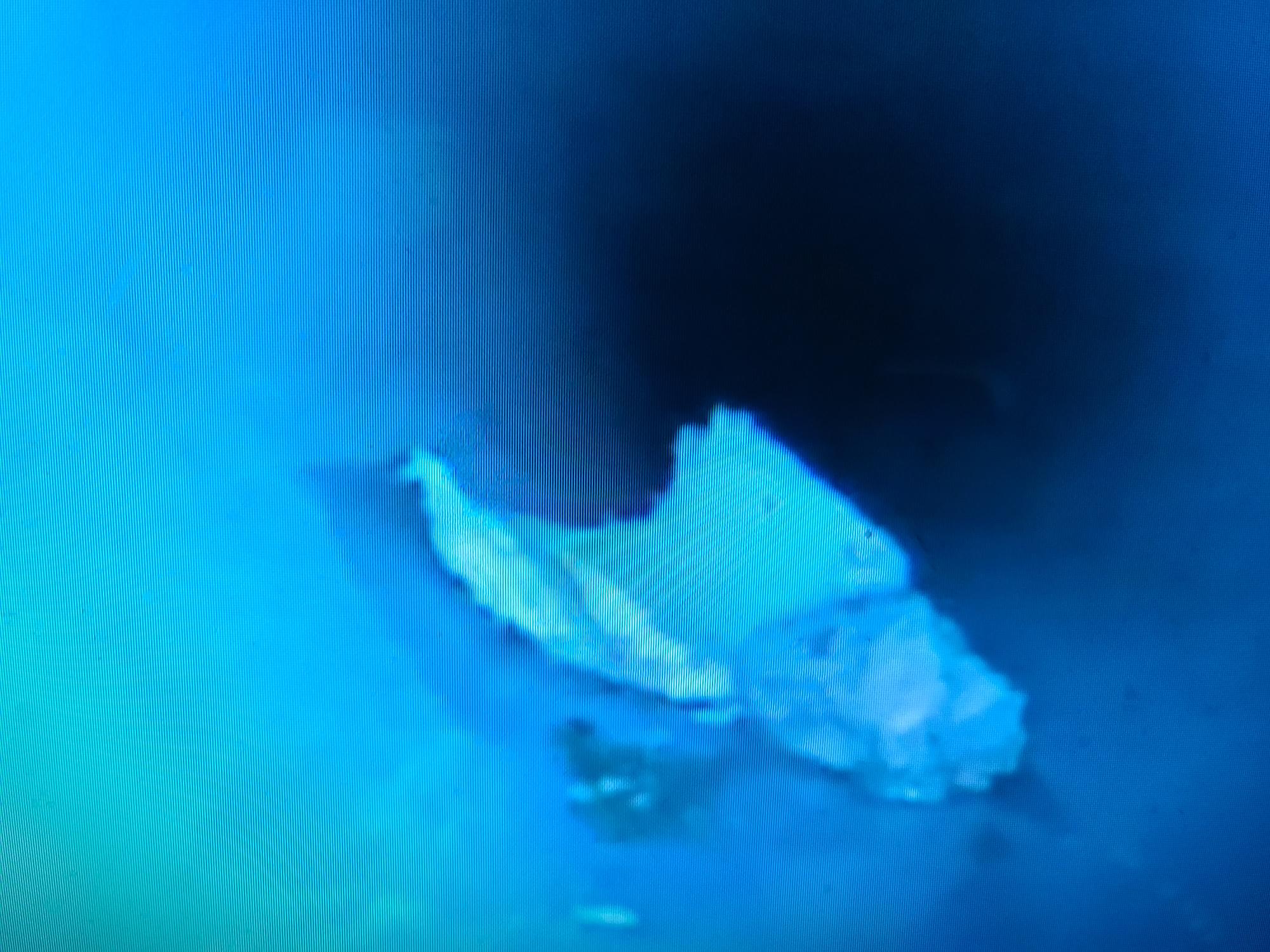
Sewer lines are expensive to repair and almost impossible to see without a camera. Roots, broken pipes, bellies, construction debris, and misaligned joints are common - even on newer homes. A sewer camera inspection lets you see the plumbing drain line under the home before you buy the problem. It’s one of the best upgrades buyers can choose.
Thermal Imaging: What It Finds That Eyes Can’t
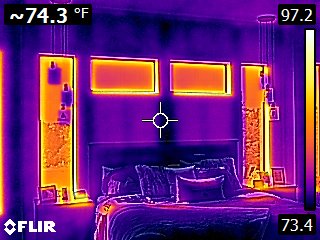
Thermal cameras show temperature differences. That means they can help find:
• Hidden moisture / Plumbing Leaks
• Missing insulation
• Air leaks
• Electrical hot spots
It doesn’t replace a full inspection, it adds another layer of protection. It’s especially useful in Texas homes where heat, humidity, and insulation really do matter.
Foundation Movement: Why Small Changes Matter
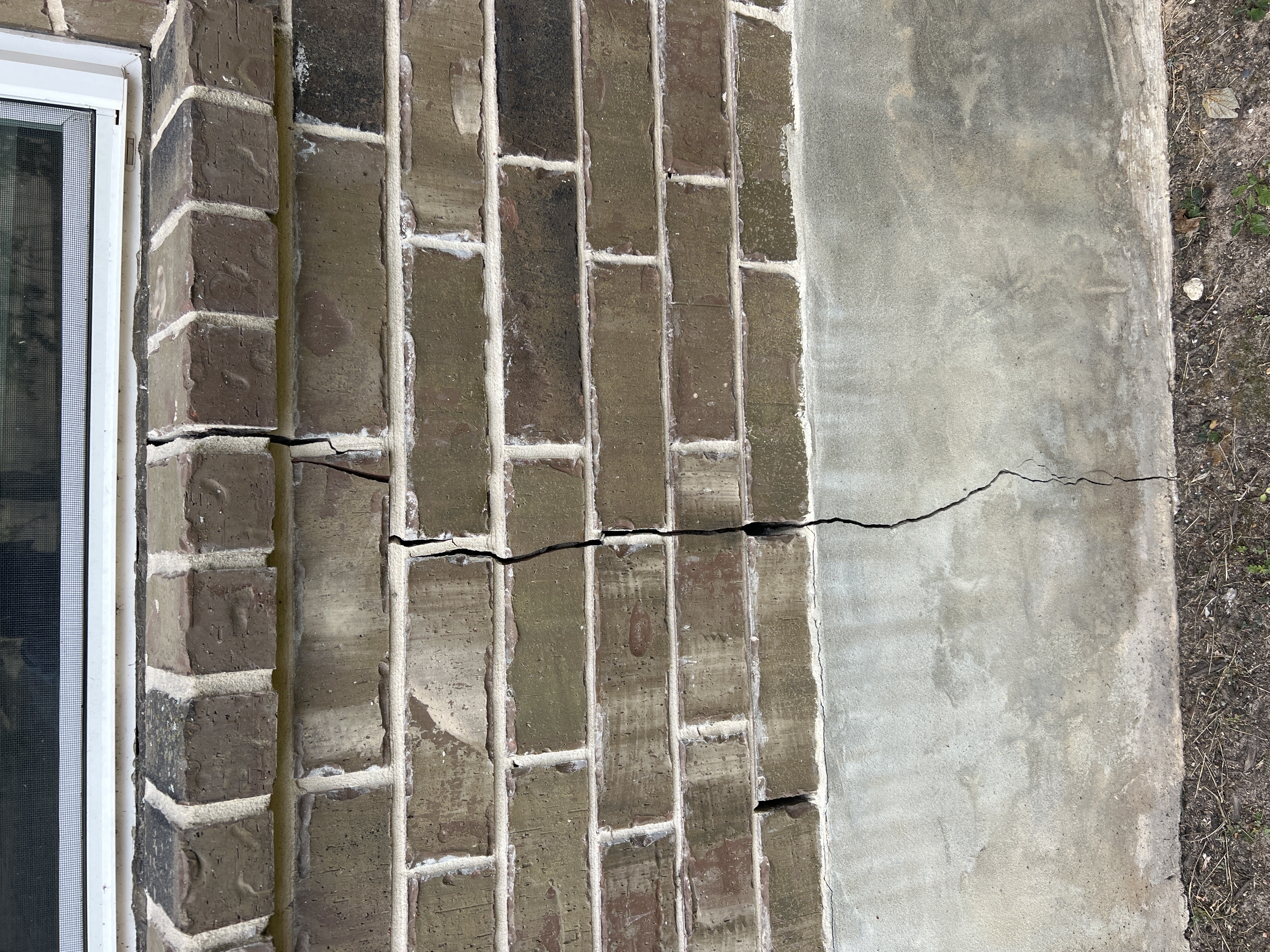
Texas soil moves. That movement affects foundations.
Small changes can lead to:
• Cracks in walls
• Doors / Windows that don’t close
• Drainage problems
• Long-term structural stress
Foundation elevation readings help document what’s happening now, so you’re not guessing later.
Mold Inspections: Facts Without Fear
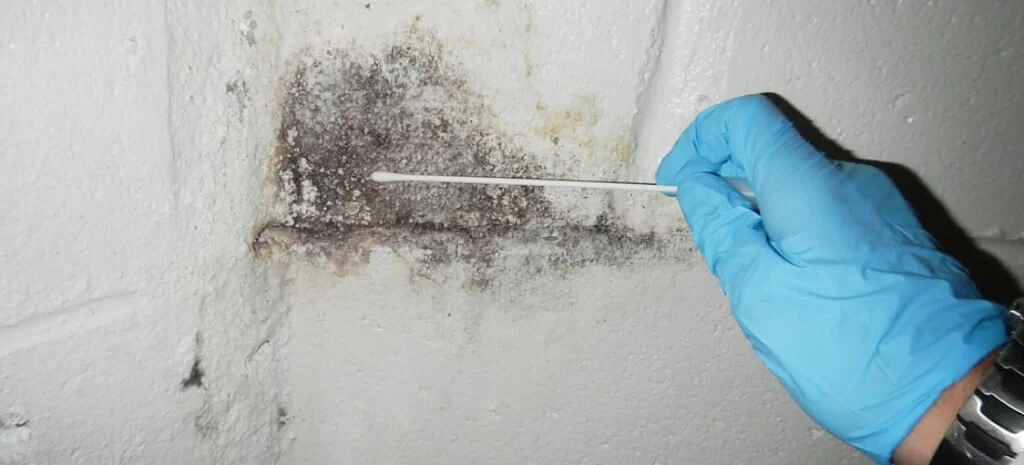
Not every stain is mold. Not every mold is dangerous. The real issue is moisture. If moisture isn’t fixed, mold keeps coming back.
A proper mold inspection looks at:
• Moisture sources
• Visible conditions
• Multiple testing options when needed
Good inspections give facts, not scare tactics.
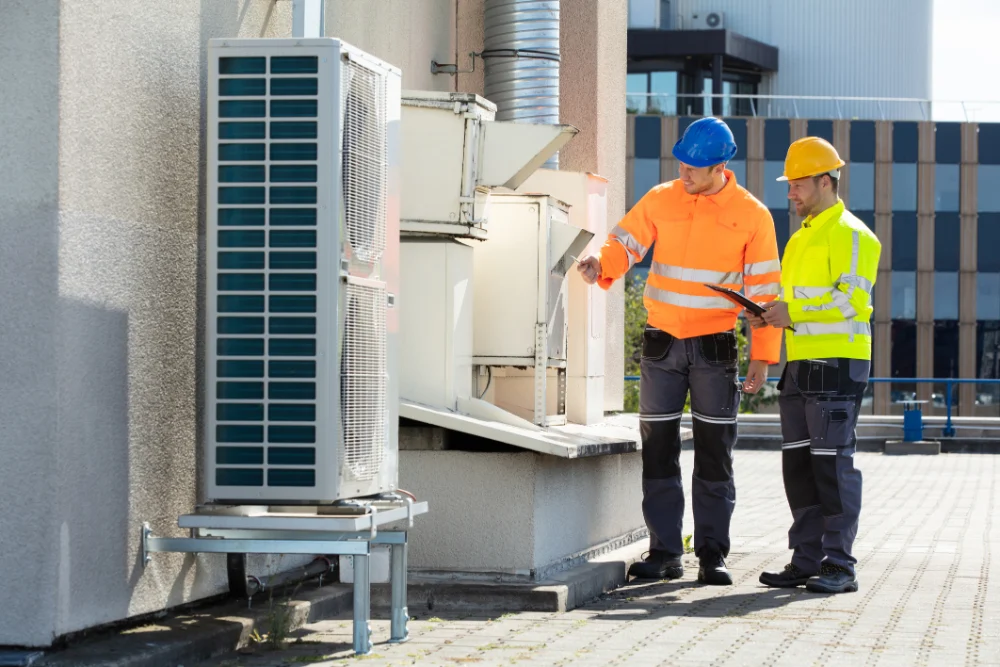
Commercial Inspections: Why Experience Matters
Commercial properties have bigger systems and bigger risks. Mistakes cost more. Repairs cost more. Downtime costs more.
Commercial inspections focus on:
• Roof, HVAC, electrical, plumbing
• Structural Performance
• Water Penetration
• Safety issues
• Price estimates where applicable
Clear documentation helps buyers plan, negotiate, and protect their investment.