Primary Inspections
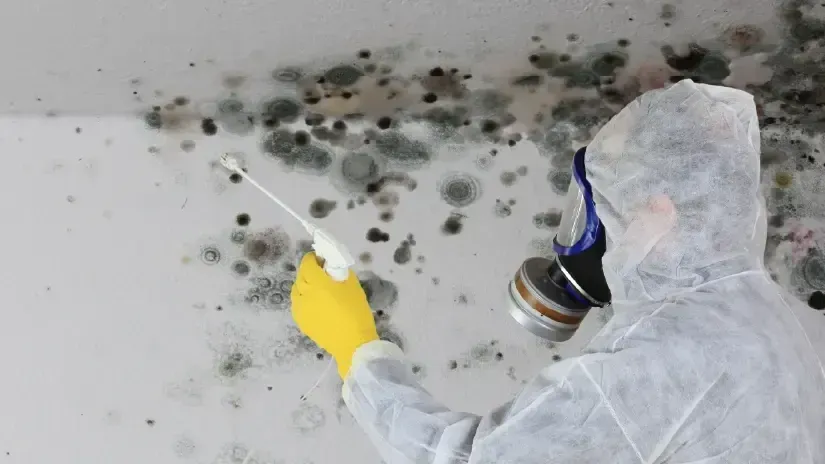
Licensed Mold Inspections & Assessments (MAC) - Texas
Professional mold inspections, moisture investigations, and targeted sampling, delivered with clear documentation and practical guidance.
Serving South Austin, San Antonio, Austin, New Braunfels, Kyle, Buda, San Marcos, Schertz, Cibolo and surrounding areas.
Licensed Mold Assessment Consultant (Texas) • Independent • Assessment Only • Lab-Supported Findings
Clear Answers, Less Guessing
We provide Professional Mold Inspections and Assessments focused on identifying moisture conditions, documenting findings, and helping clients understand appropriate next steps — without selling remediation services.
What Is a Mold Inspection & Assessment?
A mold inspection and assessment is a professional evaluation of a property to determine whether mold growth may be present, where it may be located, and what building conditions are contributing to it. This process focuses heavily on moisture, as mold growth is almost always the result of water intrusion, condensation, or elevated humidity.
As a licensed Mold Assessment Consultant (MAC) in the State of Texas, we provide independent, objective documentation and guidance. We do not perform mold remediation. This separation allows the inspection and assessment to remain focused on facts, building science, and clear recommendations — not sales-driven outcomes.
Identifying and correcting the moisture source is the most important step in preventing future mold growth.
When Should a Mold Inspection Be Considered?
A mold inspection or assessment may be appropriate when:
• Musty or earthy odors are present
• A property has experienced roof leaks, plumbing leaks, or flooding
• Visible staining or suspected microbial growth is observed
• Indoor air quality concerns exist
• Remodeling or repairs may have trapped moisture
• Documentation is needed following mold remediation
Each situation is evaluated individually to determine the appropriate level of inspection and testing.
Our Mold Inspection & Assessment Process
Step 1 — Intake Information & Property History
We review reported concerns, prior water events, repairs, remodeling, odors, and areas of interest.
Step 2 — Visual Inspection & Moisture Investigation
Accessible areas are evaluated for moisture intrusion, condensation, humidity issues, ventilation concerns, and building-envelope conditions commonly associated with mold growth.
Step 3 — Sampling Strategy (When Appropriate)
When conditions warrant, sampling may be used to support findings or answer specific questions regarding suspected mold conditions.
Step 4 — Sample Collection & Laboratory Analysis
Sampling methods may include:
• Air sampling (spore trap analysis)
• Tape lift samples
• Swab samples
• In wall samples
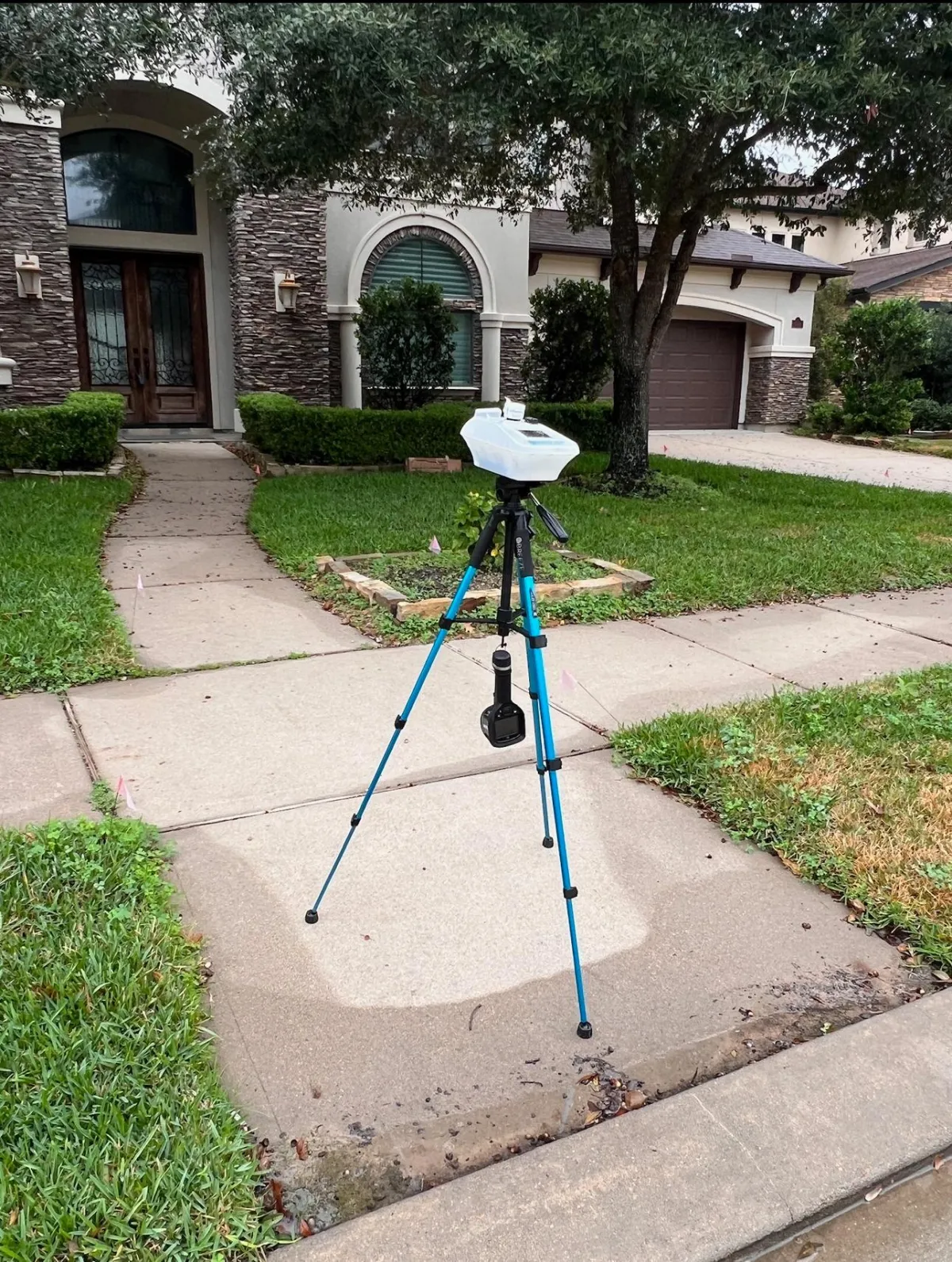
Samples are submitted to an accredited laboratory for analysis.
Step 5 — Clear Report & Guidance
Clients receive documentation summarizing observations, findings, laboratory results (if collected), and practical recommendations focused on moisture correction and appropriate follow-up.
Understanding Mold Sampling Methods
Sampling is one of several tools used during a mold assessment to help document conditions and support findings. Depending on the situation, this may include air sampling to evaluate airborne particles, or surface sampling such as tape lifts or swabs to document visible or suspected growth on materials.
Sampling results are interpreted in context with building conditions, moisture sources, ventilation, and observed findings. Results do not represent pass/fail conditions and are used to help inform next steps.
• Results represent a snapshot in time
• Interpretation must consider building conditions, weather, and ventilation
Air sampling is most effective when used to help answer specific questions, with surface samples when needed.
Mold Assessment vs. Mold Remediation (Texas)
A mold assessment and mold remediation are two separate roles under Texas regulations.
Mold Assessment Consultant (MAC):
• Conducts mold inspections and assessments
• Documents conditions and findings
• Determines appropriate sampling methods
• May prepare remediation protocols when required
Mold Remediation Contractor:
• Performs physical removal or cleaning of mold List 1
• Follows a remediation protocol
• Does not assess or diagnose conditions
We provide assessment and inspection services only, helping ensure objective, unbiased recommendations.
What You Can Expect
You can expect a professional mold inspection focused on:
• Building conditions and moisture sources
• Clear documentation and reporting
• Sampling methods appropriate to observed conditions
• Practical guidance for next steps
You should not expect:
• Pass/fail mold determinations
• Medical or health diagnoses
• Pressure to proceed with remediation services
Indoor Air Quality (IAQ) Testing
Indoor air quality testing may be offered in conjunction with a mold inspection when appropriate. IAQ testing can help provide additional context regarding airborne conditions within a property and may be discussed based on specific concerns identified during the assessment.
Mold Inspection & Assessment Service Areas
We provide licensed mold inspections and assessments throughout:
• South Austin • San Antonio • Austin • New Braunfels • Kyle • Buda • Lockhart • Boerne • Cibolo • Schertz
If your property is in the I-35 corridor or surrounding communities, we can typically accommodate scheduling quickly!
Schedule a Mold Inspection
If you have concerns about moisture, odors, or suspected mold conditions, a professional inspection and assessment can help clarify the situation and outline appropriate next steps.
Frequently Asked Questions
What is a mold inspection in Texas?
A mold inspection in Texas—formally called a mold assessment—is a professional evaluation performed by a licensed Mold Assessment Consultant (MAC) to identify conditions that may support mold growth, document observations, and determine whether sampling is appropriate. It focuses on moisture sources, building conditions, and factual documentation, not remediation work.
How long does a mold inspection or assessment typically take?
Most mold inspections and assessments take approximately 60 to 120 minutes, depending on the size of the property, accessibility of areas, number of concern locations, and whether sampling is collected. More complex properties or situations may require additional time.
Are mold test results pass or fail?
No. There are no federal or Texas pass/fail exposure limits for mold. Laboratory results do not determine whether a property passes or fails an inspection. Instead, results are interpreted in context with building conditions, moisture sources, ventilation, and visual observations to help inform appropriate next steps.
How long does it take to get mold test results back?
Most standard mold laboratory results are returned within 1 to 3 business days after samples are submitted. Turnaround time can vary slightly depending on the laboratory and the type of sample collected.
Are mold inspections licensed in the State of Texas?
Yes. Mold inspections and assessments are performed by a licensed Mold Assessment Consultant (MAC) in the State of Texas in accordance with TDLR requirements and professional standards.
What types of mold samples can be collected during an assessment?
Depending on the conditions observed, a mold assessment may include air samples (spore trap analysis) and/or surface samples, such as tape lifts or swab samples, to document suspected growth on materials. Sampling methods are selected based on site conditions and assessment goals.
Can a mold inspection determine health effects?
No. A mold inspection or assessment does not diagnose medical conditions or health effects. Its purpose is to evaluate building conditions, document findings, and provide guidance related to moisture control and potential corrective actions.
What is post-remediation verification (PRV)?
Post-remediation verification (PRV) is an evaluation performed after mold cleanup to document that work appears consistent with the remediation plan or protocol and that moisture conditions have been addressed. When appropriate, PRV may include visual assessment and/or sampling.
Primary Inspections, LLC
Independent, third-party home inspection services focused on accuracy, professionalism, and client confidence.
Serving San Antonio and Central Texas.
Phone:
Email:
Service Area:
San Antonio • South Austin • New Braunfels • Kyle • Alamo Ranch • Schertz • Cibolo • Buda
© 2026 Primary Inspections, LLC. All rights reserved.
Inspections are visual, non-invasive evaluations performed in accordance with applicable standards of practice. Reports reflect conditions observed at the time of inspection.